Pipeline

Our clinical development pipeline
Our industry-leading neuroscience pipeline reflects our commitment to advancing innovative medicines across a broad range of neurological and psychiatric conditions. Enabled by rigorous clinical research, innovative study designs, and disciplined execution, our pipeline includes multiple late-stage development programs with the potential to address significant unmet medical needs and transform patient outcomes.


Phase 1
Phase 2
Phase 3
NDA
AXS-05
(dextromethorphan-bupropion)
Smoking cessation
AXS-05 is a novel N-methyl-D-aspartate (NMDA) receptor antagonist and sigma-1 agonist being developed for smoking cessation.
Solriamfetol
Attention-deficit/hyperactivity disorder
Binge eating disorder
MDD with EDS symptoms
Shift work disorder
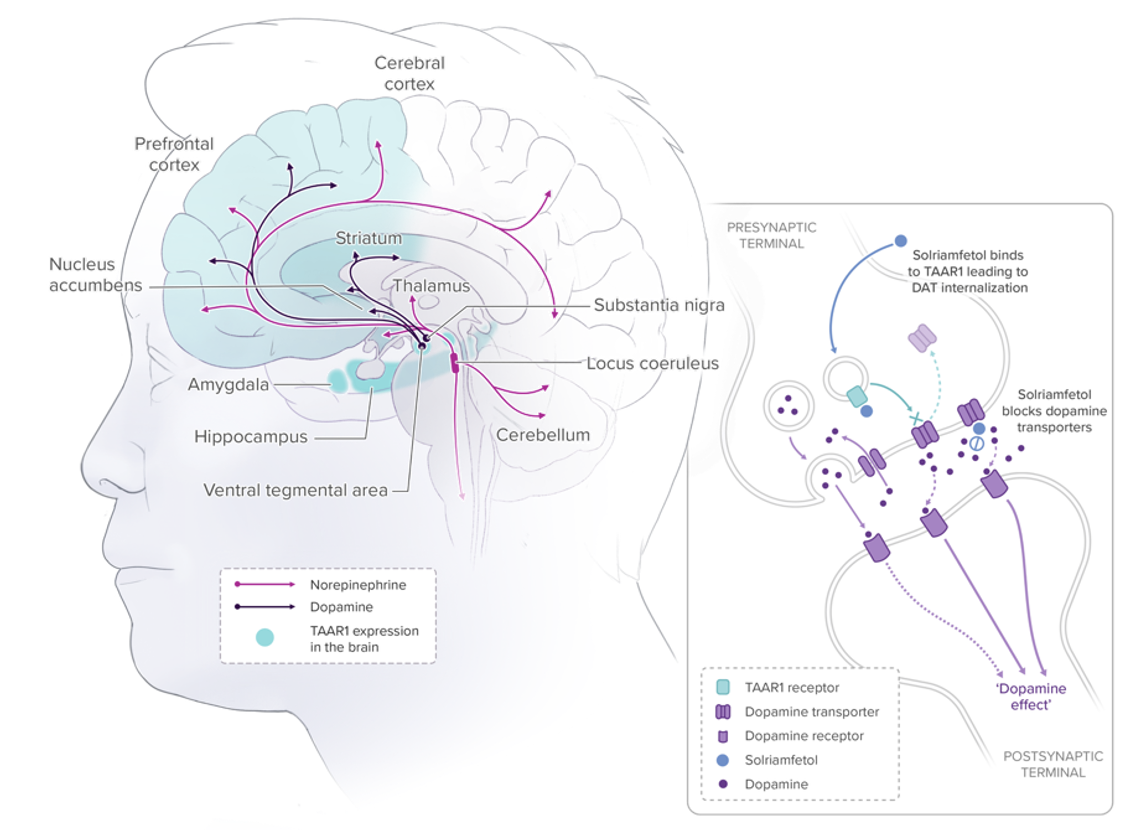
Solriamfetol is a dopamine and norepinephrine reuptake inhibitor (DNRI) and TAAR1 agonist being developed for the treatment of attention-deficit/hyperactivity disorder, major depressive disorder with symptoms of excessive daytime sleepiness, binge eating disorder, and excessive sleepiness associated with shift work disorder.
Solriamfetol was initially developed as a DNRI with wake-promoting effects. Preclinical and clinical evidence suggest TAAR1 plays a role in neuropsychiatric conditions related to the dysregulation of monoaminergic transmission. The unique pharmacology of solriamfetol supports its therapeutic potential across a broad range of neurological and psychiatric conditions.
AXS-12
(reboxetine)
Narcolepsy
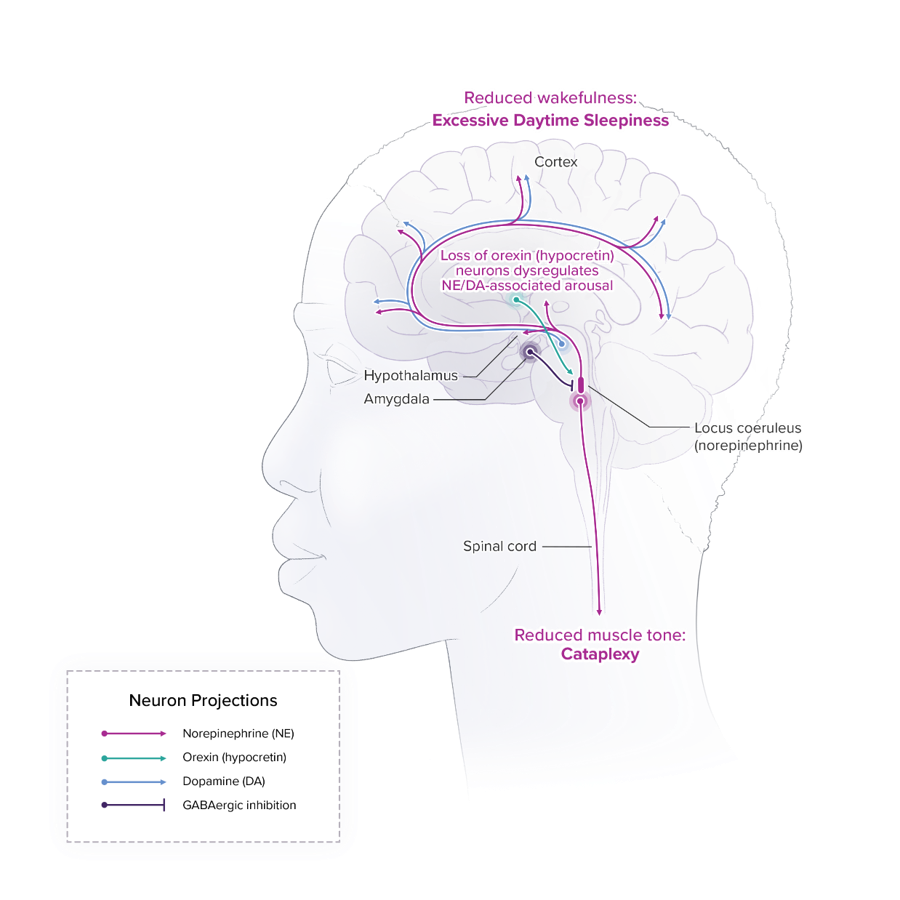
AXS-12 is a novel, highly selective and potent norepinephrine reuptake inhibitor (NRI) and cortical dopamine modulator being developed for the treatment of narcolepsy.
AXS-12 inhibits the reuptake of norepinephrine and dopamine in the brain, targeting key signaling pathways implicated in excessive daytime sleepiness, cataplexy, and cognitive impairment.
AXS-14
(esreboxetine)
Fibromyalgia
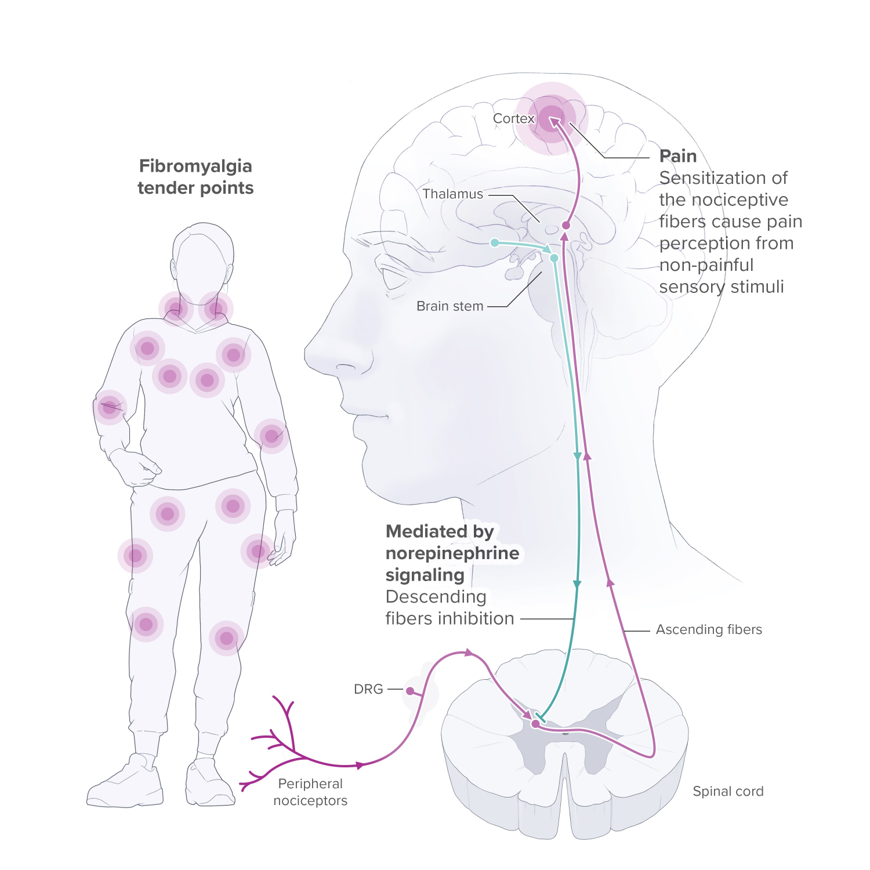
AXS-14 is a novel, highly selective and potent norepinephrine reuptake inhibitor (NRI). Esreboxetine is the SS-enantiomer of reboxetine being developed for the management of fibromyalgia.
Fibromyalgia pain is thought to be partially caused by dysregulated signaling in the descending analgesic system. AXS-14 inhibits the reuptake of norepinephrine, resulting in increased norepinephrine activity and decreased pain signaling.
AXS-17
Epilepsy
AXS-17 is a novel GABAA receptor α2,3 subtype-selective positive allosteric modulator (PAM) being developed for the treatment of epilepsy.
AXS-20
(balipodect)
Schizophrenia
AXS-20 is a novel oral, potent, and selective phosphodiesterase 10A (PDE10A) inhibitor being developed for the treatment of schizophrenia.
The products and/or investigational product candidates listed on this page are not approved by the FDA or have not been approved for the above-referenced indications, and the safety and effectiveness of such has not been established.